
Early in my career I worked in advertising. This was Chicago in the 1990s. As a junior account executive, I was highly focused on climbing the career ladder. I came in early. I worked through lunch. I stayed late. There was one guy who joined the company at about the same time as I did, and he always took a smoke break. Multiple smoke breaks, even in the sweltering heat of a Chicago summer or the bone-chilling cold of the mid-west winter. Why was it that I as a non-smoker had to work non-stop while this chimney got to take several 15 min breaks not including the time it took to get in and out of the building. I was jealous.
The Big Deal
And rightfully so. In recent research published by the American Psychological Association, “recovery from work is a critical component for employees’ proper functioning.” Translation, take breaks during the day. It’s good for your mental wellbeing and getting your work done.
A Culture of Busyness
During the industrial revolution people were compensated for their output of widgets and gadgets moving along the conveyor belt. Anyone remember the classic I Love Lucy Chocolate Factory episode?
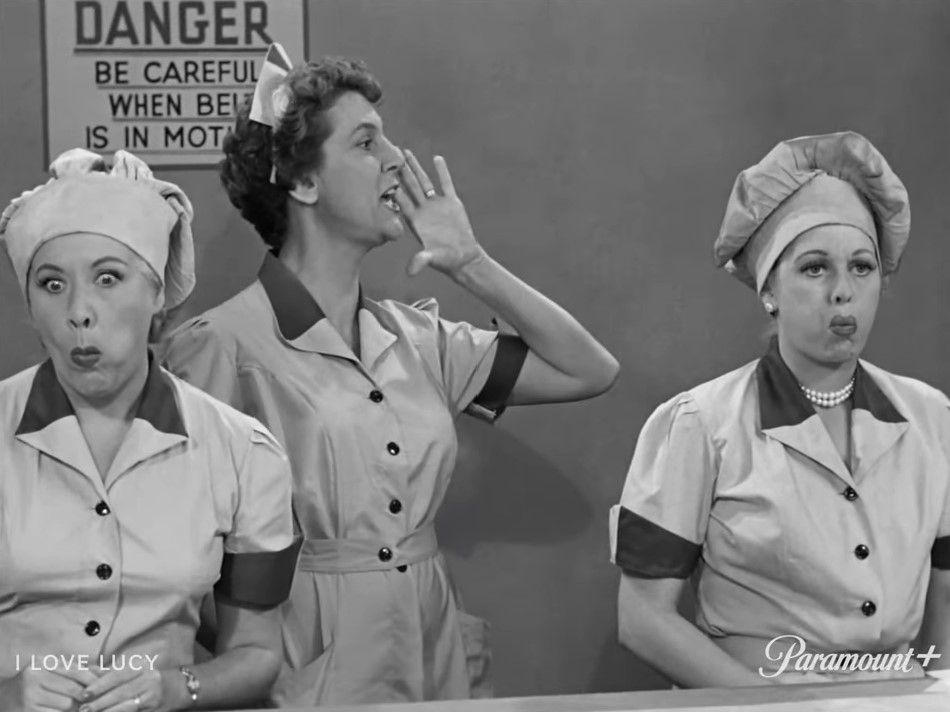
“Ethel, I think we’re fighting a losing game.” – Lucielle Ball
This mentality still exists today. Speed it up. Stay busy. Look busy. With the pandemic and lockdowns, in some workplaces this became worse as managers no longer could see their workforce in person and perceptions of slacking off at home were pervasive, as false as they proved to be.
Counter to this popular narrative of working nonstop as the key to productivity, the research suggests that taking breaks within work hours not only does not detract from performance but can help boost it as well as decrease the development of fatigue, sleep disorders and cardiovascular disease.
Three Strategies to Recharge
“There is virtue in work and there is virtue in rest. Use both and overlook neither.” — Alan Cohen. Here are three strategies for when you’re mentally out of juice.
1. Talk to me
Social breaks, such as chatting with your peers, allow you to share your experiences and feel part of a group. This feeling of relatedness during a social break shows a positive association with feeling recovered after the break.
2. Walk it out
Because we don’t have to devote much conscious effort to the act of walking, our attention is free to wander, and our mind is free to rejuvenate. If you can get outside in a green space that’s even better.
Additionally, there’s quite a bit of research that have shown that after or during exercise, even very mild exertion, people perform better on tests of memory, creativity, and attention.
3. break it up
Actively schedule breaks during your day and keep to them by doing something that you enjoy. The anticipation of pleasure will motivate you to keep to the break.
Meeting fatigue is a real thing. I’ve also recently talked about the harmful effects of attention residue. Even a 5-minute stretch break, or call it a bio break if you must, can have a positive impact.
Reconsider This Break
Social media is one of the most common break types. However, researchers find that scrolling through social media during work breaks can lead to emotional exhaustion, a symptom of burnout due to a chronic state of physical and emotional depletion that results from excessive work or personal demands, or continuous stress. As a result, people end up with diminished creativity and work engagement instead of replenished resources.
Bottom Line
As a leader it’s critical that you also model this behavior. Communicate the importance. Set a positive example by setting clear boundaries for your own break time. Ask for regular breaks if you have an all-day meeting.
In leading by example, you’re not only helping prevent the possible stigma and guilt associated with taking breaks, but also creating a culture of respect and trust that can lead to greater Return on Minute for yourself and the whole organization.

 Return On Minute
Leave a comment