

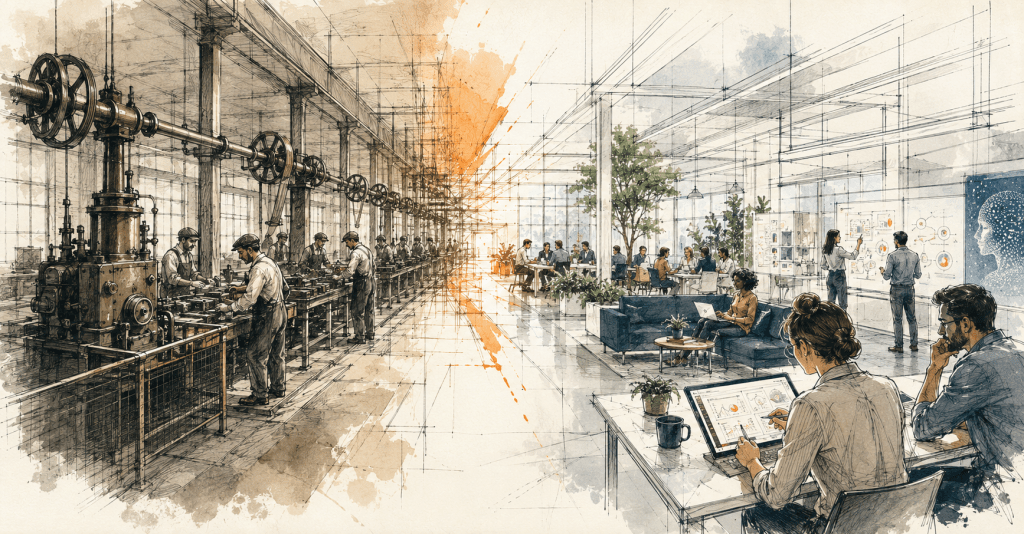
Twenty years ago, I worked in tech. Products launched every three years. Leading up to the launch people would work 50-60 hours a week. After the launch, they’d work 10. The rhythm was difficult but predictable. Fast forward to today and the new mantra is “keep up.” With the innovations happening in AI, progress that used to take decades is now taking months. Yann LeCun at Meta AI puts it this way, “The hardest part is that the goalposts keep moving. What was impossible last year is routine today.”
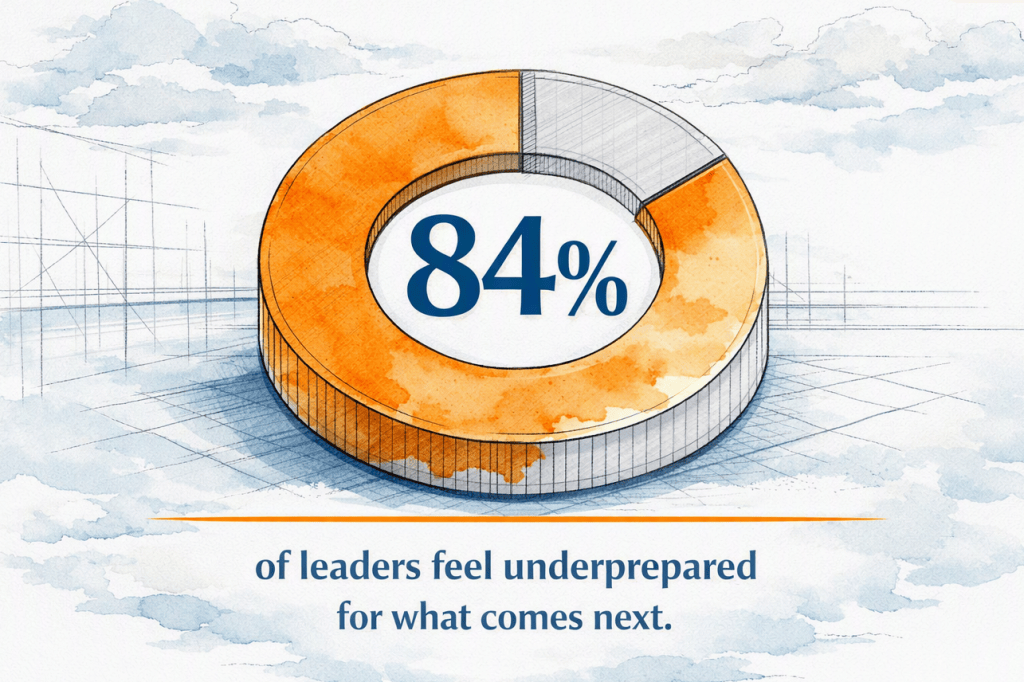
Predictability is replaced with turmoil. In a 2025 article McKinsey calls this “the new normal”, and its research finds that 84% of leaders feel underprepared for what comes next.
Staying resilient under these conditions is hard. Your programed against it. Your brain fights it. Researchers call it intolerance of uncertainty: perceiving uncertainty as a threat regardless of the true odds. How do you lead through it day in and day out for yourself and your team?
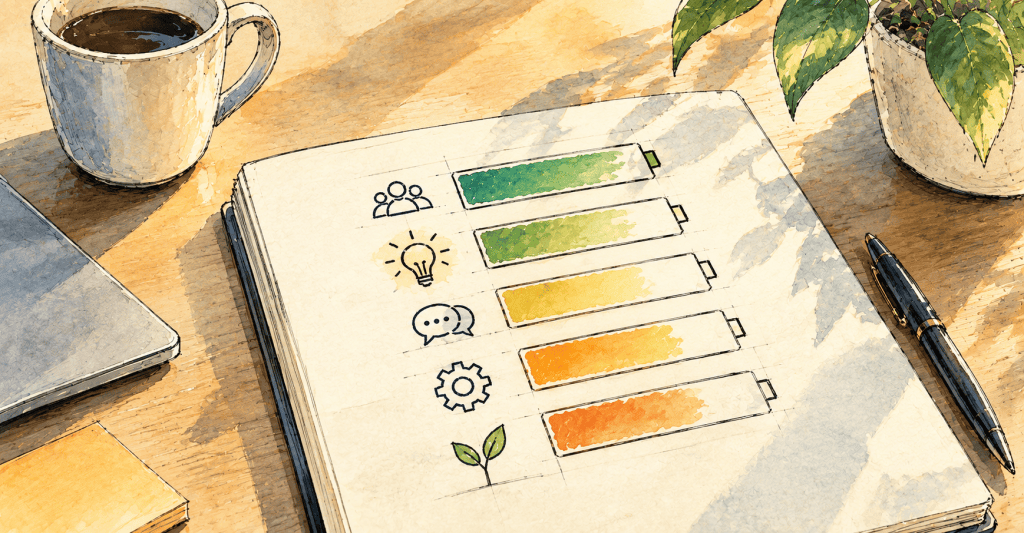
The CRAFT method gives your brain five small signals to stand down: Control, Respond, Activate, Focus, and Turn up for others.
CONTROL what you can
For you. Build a daily action plan with the most important tasks first, work and personal. Harvard Health’s advice is to focus on what you can control and accept what you can’t, and it calls acceptance a skill that takes practice. Set boundaries, say no to new commitments, and let go of the rest.
For your team. Tell them plainly that a lot is unknown. UNSW researchers found that leaders build trust by saying so, and that consistent messages across senior managers scored higher on communication. Share what you control, too.
“We see the future not as something out of our control, but as something we can shape for the better through concerted and collective effort.” — Barack Obama
RESPOND, don’t react
For you. Before you answer the tense email, name what you feel. In a UCLA brain-imaging study, Matthew Lieberman found that putting a feeling into words lowered the amygdala’s response. He called the effect modest. It’s free. “I’m frustrated” takes two seconds.
Then slow down. Sleep well and eat well, and ask a question to pause your reactive brain.
For your team. Pick an update rhythm and keep it. In a Claremont Graduate University study of nearly 300 employees, people wanted a steady flow of information from supervisors before anything else. A Thursday-at-10 update beats one that only arrives when you have news, even when the update is “nothing new.”
ACTIVATE optimism
For you. In a 2000 study, Barbara Fredrickson’s team conducted a Positive-emotion research. They put 170 anxious participants through film clips. Those who watched contentment or amusement clips recovered from the physical stress response faster than those who watched neutral or sad ones. Susan Folkman’s review found that positive emotions show up alongside stress and help people cope.
For your team. Open your next meeting by asking for one good thing from the week. Keep it to 60 seconds.
FOCUS on impact
For you. In chaos, everything arrives marked urgent. Think in terms of impact, not urgency and narrow your to-do list to what you know is true right now. Manage interruptions so you can protect the list.
For your team. When disruption is permanent, “just keep going” fails. McKinsey warns that leaders who say it blur the line between when people need to endure and when they need to adapt. Give your team the top three priorities and say what’s paused.
TURN UP for others
For you. It sounds like one more task on a bad week. The data points the other way. A 2015 Yale researcher study followed 77 adults for two weeks, and on stressful days when participants helped others more than usual, stress barely touched their mood.
For your team. Show up visibly. A 2024 study of CEO communication during COVID found that transparency, authenticity, empathy, and optimism reduced employees’ feelings of uncertainty. Great Place To Work points to Marriott CEO Arne Sorenson’s video to 133,000+ employees as a model. You don’t need a studio. Call a colleague, ask how they’re doing, and practice active listening.
Your 5-minute CRAFT reset
Start practicing these steps now for yourself and your team.
- Control: List the three things in your control today. Share one with your team: “Here’s what I know, what I don’t, and what I’m doing about it.”
- Respond: Name your feeling in one sentence before you answer anything. Set a standing time for team updates.
- Activate: Notice one positive thing before lunch. Ask your team for one good thing at your next meeting.
- Focus: Choose the one task with the most impact. Tell your team the top three priorities and what’s paused.
- Turn up: Check in with one colleague, then send one note to your team on where things stand.
The bottom line
The disruption isn’t leaving, at least not in the foreseeable future. So, build the habit of steadying yourself now with the tools to thrive and lead your team through the chaos.
Like this article? Subscribe now.
Header image created with AI


Leave a Reply